Australian Flag Applique Embroidery Review
When I approach a new machine embroidery design, especially one featuring national symbols, my first question is always about execution. Does the design respect the fabric? Does it hold up to wear? And most importantly, does it translate well from a digital file into a tangible, high-quality finished product? Today, I am evaluating the Australian Flag Applique Embroidery file, a piece that promises to bring a bold, patriotic aesthetic to various textile projects. As someone who has stitched thousands of flags for clients ranging from local sports clubs to international boutiques, I look past the graphic appeal and focus on construction, versatility, and marketability.
First Impressions: The Power of Applique
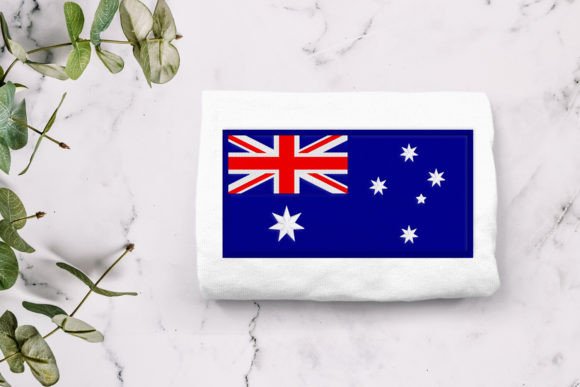
The immediate advantage of choosing an applique design over pure stitch work for a flag is texture and depth. Standard embroidery relies entirely on thread coverage, which can sometimes result in a flat or overly dense surface, particularly with large solid areas like the blue field of the Australian flag. By using a blue applique fabric for the main background, this design allows the natural weave and color saturation of the material to shine through. This creates a premium look that pure stitching often struggles to achieve without excessive stitch density.
The mood created by this design is crisp, clean, and distinctly modern. It avoids the cluttered feel that can happen when trying to render complex emblems entirely in thread. The layout feels balanced, suggesting that the designer understood the importance of negative space. For a crafter or small business owner, this means less time spent troubleshooting hooping issues and more time producing sellable goods. The inclusion of eight formats and six sizes indicates a versatile embroidery file intended for a wide range of applications, from tiny baby bodysuits to larger sweatshirts.
Real-World Application: From Tote Bags to Boutique Apparel
Let’s talk about where this design truly shines. Imagine you are preparing inventory for an upcoming craft fair or restocking your Etsy shop ahead of Australia Day or ANZAC Day. You need items that feel substantial but not overwhelming. This Australian Flag Applique Embroidery works exceptionally well on structured fabrics.
I envision this design looking stunning on a canvas tote bag. The stability of the canvas supports the weight of the applique fabric, preventing any puckering around the edges. When paired with a simple black or white thread for the remaining details, the contrast pops beautifully. Similarly, for custom apparel, such as a crewneck sweatshirt or a heavy cotton t-shirt, the applique adds a tactile element that customers appreciate. It transforms a standard printed graphic into something that feels handcrafted and durable.
For those selling personalized gifts, consider applying this to kitchen towels or aprons. The blue background complements stainless steel appliances and wooden countertops, making it a perfect fit for home decor enthusiasts. In a nursery setting, a smaller size applied to a muslin blanket or a quilted pillow cover offers a soft, safe, and visually appealing option for parents looking for meaningful keepsakes. The design’s adaptability makes it a strong candidate for commercial embroidery projects where consistency across different product lines is key.
Performance on Specific Garments
- Caps and Hats: While possible, curved surfaces require careful testing. The applique adds bulk, so ensure your hoop tension is adjusted to prevent distortion on the crown of the hat.
- Baby Clothes: On soft knits or jersey, the design must be stabilized properly to avoid stretching the delicate fabric. The finished product should remain soft to the touch, so inspect the back of the work for excessive stiffness.
- Patches: If used as an embroidered patch, the applique technique provides a clean edge that resists fraying better than satin stitches alone, increasing the longevity of the accessory.
Where Caution Is Required
No design is universally perfect, and knowing the limitations is what separates a professional from a hobbyist. There are specific scenarios where this Australian Flag Applique Embroidery might struggle.
First, consider dark fabrics. Since the primary background is provided via blue fabric, applying this to a black or navy garment requires careful matching. If the base fabric is too dark, the blue applique may not provide enough contrast against the shirt, causing the flag to blend in rather than stand out. Light-colored garments generally offer the safest and most vibrant presentation.
Second, avoid using this on highly textured or stretchy fabrics without rigorous testing. Ribbed knits or fleece can distort the precise alignment required for the flag’s elements. Additionally, if you are working with very thin materials, the added layers of applique fabric might create unwanted stiffness or show through to the front. Always check the stitch density of the non-applique sections; if they are too dense on lightweight fabric, it can lead to breakage or poor drape.
Small hoop sizes present another challenge. While the design includes multiple sizes, attempting to shrink a detailed flag design too far can result in lost definition. The finer details of the emblem may become muddy if the resolution of the digitizing is not sharp enough at the smallest scale. I recommend sticking to medium-sized applications to maintain clarity.
Designer Notes for Production Success
To ensure your handmade product meets professional standards, follow these practical steps before committing to final production.
- Test on Scrap Fabric: Never skip this step. Stitch the design on the exact fabric you plan to use for the final item. This reveals how the blue applique interacts with the base material and highlights any potential puckering.
- Check Thread Color Contrast: Review the thread colors used for the details. Ensure they stand out clearly against both the blue applique and the base fabric. A black-and-white mockup can help you visualize the contrast levels accurately.
- Inspect Small Details: Zoom in on the digital preview. Are the points sharp? Is the spacing even? Poorly digitized corners can look ragged once stitched.
- Use Proper Stabilizer: The weight of the applique fabric demands adequate support. Use a cut-away stabilizer for woven fabrics to prevent shifting during washing, and a tear-away for stable wovens if the item will not undergo heavy stress.
- Confirm Licensing: Before listing this as a Etsy seller or including it in a boutique collection, verify the commercial license terms. Some files allow unlimited use on physical goods but restrict resale of the digital file itself.
Final Verdict on Visual Appeal and Value
The Australian Flag Applique Embroidery design succeeds because it leverages the strengths of applique to solve common embroidery problems. It reduces thread consumption, minimizes fabric distortion, and delivers a sophisticated look that elevates the perceived value of the finished product. Customers are drawn to items that look professionally made, and this design helps you achieve that polish with relative ease.
It fits naturally into the categories of custom apparel, personalized gift markets, and craft business merchandise. Whether you are creating a single special-order item or mass-producing small shop products, this design offers a reliable foundation. Its ability to convey national pride with a modern twist makes it a timeless asset for any embroiderer’s library.
By paying attention to fabric choice, stabilization, and hoop tension, you can transform this digital asset into a standout piece. It is a smart investment for anyone looking to expand their offerings with high-quality, recognizable, and aesthetically pleasing embroidery designs. Just remember to test thoroughly, respect the material limits, and let the quality of the craftsmanship speak for itself.