Beet Applique and Embroidery
Walking into a craft fair with a booth full of handmade goods is equal parts exciting and terrifying. You spend months perfecting your craft, sourcing materials, and planning your display, only to have potential customers glance at your table for three seconds before moving on. As an experienced embroidery designer who has sold at countless weekend markets, I know that standing out isn’t just about having a nice product; it’s about having a product that tells a story instantly. That is why I am reviewing the Beet Applique and Embroidery design. This digital asset promises to bring a touch of rustic charm and modern farmhouse style to your inventory, but does it actually perform in the real world? Let’s dig into the details.
First Impressions: The Visual Appeal of Beet Applique and Embroidery
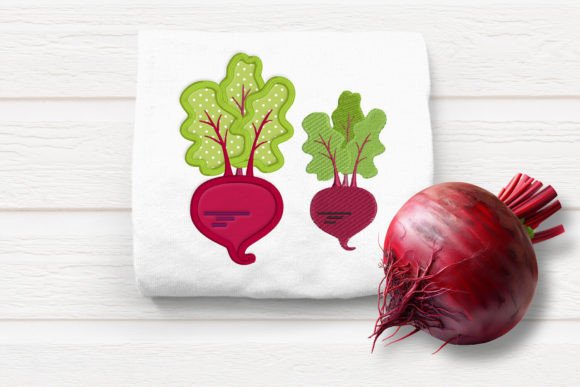
The moment you look at the preview of Beet Applique and Embroidery, it strikes me as incredibly versatile. It avoids being overly literal or childish, which allows it to fit seamlessly into the "modern rustic" aesthetic that dominates current home decor trends. The combination of applique and fill stitches adds a layer of texture that flat embroidery simply cannot achieve. For a customer browsing a crowded market, this textural difference is your secret weapon. It signals quality and effort before they even pick up the item.
The design feels bold yet grounded. It isn’t trying too hard to be cute; instead, it leans into a premium, decorative feel. Whether you are targeting foodies, gardeners, or lovers of farmhouse kitchen decor, this design bridges the gap between playful and sophisticated. It photographs beautifully, which is crucial for your online listings and social media promotion. The earthy tones inherent in a beet illustration work well with natural fabric colors like linen, cream, denim, and olive green, creating a cohesive brand look for your small shop.
Product Applications: Where Beet Applique and Embroidery Shines
Not every machine embroidery design works on every product. After testing various applications in my studio, here is where Beet Applique and Embroidery truly excels for your craft fair product lineup.
Kitchen Essentials and Tea Towel Embroidery
This is perhaps the strongest category for this specific design. A high-quality cotton tea towel featuring Beet Applique and Embroidery is an impulse buy waiting to happen. The applique version, available in larger sizes, provides enough visual weight to stand out against the white or colored fabric without looking cluttered. It transforms a simple utility item into a giftable piece of art. When displayed on a rack at your booth, these towels catch the light differently due to the layered fabric, drawing eyes from across the aisle.
Tote Bag Design and Market Bags
Canvas tote bags are a staple of any handmade market, but they are also saturated. To make yours sell, you need a focal point that looks intentional. Placing Beet Applique and Embroidery centrally on a heavy-duty canvas bag elevates it from a generic grocery bag to a stylish accessory. The durability of the applique method means it can withstand the wear and tear of daily use, which reassures buyers about the longevity of their purchase. It pairs exceptionally well with jute handles or leather accents for a boutique maker vibe.
Apron Embroidery and Chef Gear
For the culinary enthusiast, an apron featuring this design is a dream gift. The design’s theme aligns perfectly with cooking and gardening hobbies. However, pay attention to placement. On an apron, the design should be positioned on the bib or lower pocket area. The applique version works best here because it adds structure to the garment. Ensure you use a cut-away stabilizer during production to prevent puckering, especially if you are using lightweight linen aprons.
Embellished Patches and Caps
Smaller sizes of this design are ideal for creating embroidered patch accessories or decorating baseball caps. The intricate details in the smaller fill versions hold up well when stitched onto curved surfaces like caps, provided you use the correct hooping technique. These items are great low-cost entry points for customers who want to try your brand without committing to a larger purchase.
Production Practicality and Quality Control
As a seller, efficiency is money. One of the standout features of this file is its versatility. With 9 sizes and both applique and fill options, you can cater to different price points. The smaller sizes allow for quick, low-inventory items, while the larger applique versions command a higher price tag due to the increased labor and material costs.
However, there are practical notes you must consider before mass-producing. Always test the design on scrap fabric first. Check the stitch density closely. While the design is generally well-balanced, dense areas can sometimes cause thread breaks if your tension is off. Inspect the transition points between the applique base and the fill stitches to ensure they lay flat. If you are working with textured fabrics like waffle weave or heavy denim, you may need to adjust your needle type or use a tear-away stabilizer to maintain clarity.
Another critical factor is thread contrast. The design relies on color differentiation to show depth. If you stitch a dark beet on a dark background, the details will disappear. Stick to high-contrast combinations, such as deep burgundy threads on cream fabric, or vibrant greens on navy blue. This ensures your finished product looks crisp and professional under the harsh lighting of a convention center.
Marketing and Sales Strategy
How do you sell Beet Applique and Embroidery? The narrative is key. Don’t just sell an embroidered beet; sell a connection to nature, healthy eating, or sustainable living. Use phrases like "Farm-to-Table Chic" or "Garden Fresh Style" in your Etsy listings and booth signage.
Create a printable mockup series showing the design on different products. Show the tote bag at a farmer’s market, the apron in a cozy kitchen, and the tea towel on a dining table. This helps customers visualize ownership. Since the design is part of the Food category, it naturally appeals to the growing community of home cooks and gardeners. Bundle items together—for example, offer a discount on a matching set of an apron and two tea towels. This increases your average order value and moves more inventory.
Final Verdict for Craft Fair Sellers
Beet Applique and Embroidery is a robust addition to any digital embroidery file library aimed at commercial use. It balances aesthetic appeal with production feasibility. The dual-format option (applique and fill) gives you the flexibility to experiment with textures and price points, which is essential for staying competitive in the handmade market.
Remember to confirm your commercial licensing rights before selling finished goods. Ensure you have the necessary permissions to produce and sell items made from this design. Once that legal box is checked, focus on execution. Use high-quality threads, stable fabrics, and precise stitching. When done right, this design has the power to turn a simple commodity into a coveted handmade treasure. It is reliable, visually striking, and perfectly timed for the current demand for rustic, nature-inspired decor. If you are looking to refresh your booth with items that scream quality and charm, this is a smart choice for your next production run.