Birthday Embroidery Sketch Design -Three
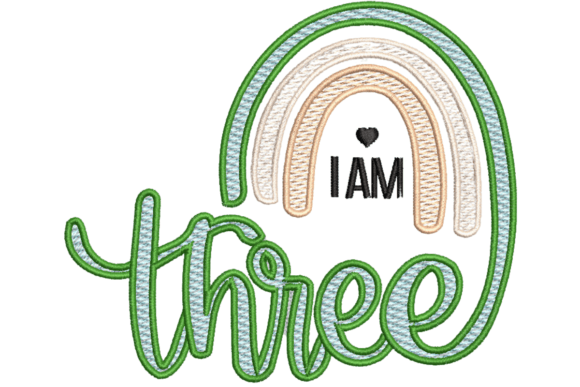
As an embroidery designer who has spent years digitizing assets for small businesses, I look at every new file with a critical eye. It is not just about whether the design looks pretty on a screen; it is about how it translates to thread, fabric, and ultimately, customer perception. Today, I am reviewing the Birthday Embroidery Sketch Design -Three. The description promises a festive touch, carefully digitized by hand, and ideal for clothing. But does it hold up as a viable asset for small business merch, branded patches, and commercial apparel?
This review focuses on the practical application of this digital embroidery file in a professional setting. Whether you are running an Etsy shop, managing a boutique, or creating custom apparel for a local café, understanding the nuances of this design is crucial before you hit the button.
First Impressions: Visual Personality and Brand Fit
The title, Birthday Embroidery Sketch Design -Three, suggests a specific aesthetic. "Sketch" implies a hand-drawn, organic feel, while "Three" indicates this is part of a cohesive series. For a brand identity that values authenticity, craftsmanship, and a human touch, this is a strong starting point. Unlike rigid, geometric corporate logos, a sketch-style design feels approachable, playful, and premium simultaneously.
When evaluating this for brand identity, consider the emotional response you want to evoke. A birthday theme inherently celebrates milestones, joy, and personal connection. If your business sells handmade products, artisanal foods, or creative services, this design can reinforce a message of celebration and care. It avoids the sterility of vector-only graphics, offering instead the warmth of a handmade product presentation. However, if your brand relies on strict minimalism or high-tech imagery, this sketch style might clash with your visual consistency.
Real-World Application: Where This Design Shines
In my experience, the versatility of a well-digitized embroidery file determines its value. Let’s look at how Birthday Embroidery Sketch Design -Three performs across common business use cases.
- Embroidered Patches: This is perhaps the strongest use case. A sketch-style design often translates beautifully to patches because the organic lines mimic the texture of woven or embroidered badges. Use these for staff uniforms in creative studios, bakeries, or florists to add a unique identifier that stands out from standard corporate logos.
- Applique and Apron Embroidery: For cafes and restaurants, this design works exceptionally well on aprons. The festive nature aligns with kitchen culture and team spirit. When digitized correctly, the sketch lines can provide enough contrast against typical denim or canvas apron fabrics without overwhelming the garment.
- Tote Bag Design: Canvas tote bags are a staple for small business merch. A centered chest placement of this design offers a subtle yet distinctive brand mark. It appeals to customers who prefer understated elegance over loud branding. It serves as a walking advertisement that feels like a gift rather than an ad.
- Cap Embroidery: Curved surfaces present challenges, but a sketch design often handles curvature better than complex typography. If the design has clear focal points, it can sit nicely on the front panel of caps, perfect for event merch or promotional giveaways.
- Product Packaging Accents: Don't overlook the unboxing experience. A small version of this design on hang tags or sewn into garment labels adds a layer of professionalism and attention to detail that customers notice and appreciate.
Critical Considerations: Where Caution Is Needed
No design is flawless for every application. As a designer, I must highlight areas where Birthday Embroidery Sketch Design -Three requires careful execution to avoid production failures.
Small Patch Sizes and Detail Retention: Sketch designs rely on line weight and spacing. If you attempt to reduce this design too far for tiny product labels or miniature patches, the details may merge into a blob. Always test the design at its smallest intended output size. If the fine lines disappear, the design will fail to convey its personality.
Stitch Density and Fabric Texture: High stitch density can make fabric stiff and bulky, which is undesirable for lightweight t-shirts or delicate tote bags. Conversely, low density on textured fabrics like heavy canvas or fleece can lead to poor coverage. You must inspect the digitization for appropriate underlay stitches to stabilize the fabric and ensure the top threads lay flat.
Thread Color Contrast: The success of any embroidery project hinges on contrast. A light sketch design on a dark uniform will be invisible without proper padding or background filling. Conversely, dark threads on black fabric require specific techniques to show definition. Always check thread color options against your actual inventory fabrics.
Curved Surfaces and Hoop Size: When placing this design on caps or curved seams, distortion can occur if the hoop size is not optimized. Ensure the digitizer has accounted for the curve so that the "sketch" lines remain proportionate and do not stretch unnaturally.
Impact on Brand Identity and Customer Trust
Investing in high-quality commercial embroidery signals professionalism. When a customer receives a product with a clean, well-executed Birthday Embroidery Sketch Design -Three, it reflects positively on your attention to detail. It suggests that you care about the quality of the finished product, not just the concept.
This level of quality builds customer trust and recognition. In a crowded market of mass-produced goods, the tactile nature of embroidery sets you apart. It adds perceived value to your items, allowing you to position your custom apparel or accessories as premium offerings. Furthermore, consistent use of design assets across different products—whether on a tote bag, a cap, or a patch—creates a cohesive visual language that strengthens your brand recall.
Practical Designer Notes for Production
Before committing to bulk production, follow these essential steps to ensure the best outcome:
- Test in Black and White: Convert the design to monochrome to evaluate its structure. If it lacks impact without color, it will struggle in embroidery.
- Create a Printable Mockup: Before sewing, generate a realistic mockup. Place the design on images of your actual products to gauge scale and placement.
- Confirm Commercial Licensing: Ensure you have the rights to use this digital embroidery file for resale. Many designers restrict commercial use unless explicitly granted.
- Inspect Spacing and Outlines: Look closely at the digitization. Are there overlapping elements that might cause needle breaks? Is the spacing between lines sufficient to prevent merging?
- Use Proper Stabilizer: The choice of stabilizer (cut-away vs. tear-away) depends on the fabric. Test with the correct stabilizer to prevent puckering.
- Compare Against Other Assets: See how this design sits alongside your existing logo or other design assets. Does it complement them, or does it compete for attention?
By treating Birthday Embroidery Sketch Design -Three not just as a decoration but as a strategic brand tool, you can elevate your merchandise and create a memorable impression. Remember to verify specific technical details such as hoop size and exact stitch count with the provider, as these factors dictate the final quality of your finished product. With careful planning and execution, this design can become a valuable addition to your design assets library, driving engagement and sales for your business.