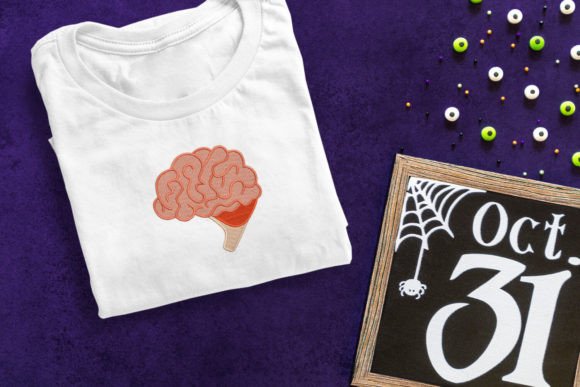
Brain Mini Embroidery Review
As an embroidery designer who spends weekends hunched over a sewing machine and weekdays strategizing booth layouts for craft fairs, I have developed a keen eye for what sells. It is not just about the design itself; it is about how that design translates into a tangible handmade product that catches a customer’s eye in a crowded aisle. Recently, I evaluated a digital asset titled Brain Mini Embroidery. The description promises a compact design featuring a brain and brain stem, tailored for Halloween enthusiasts, zombie fans, and anatomy nerds. This review breaks down whether this specific embroidery file has the potential to become a bestseller on your Etsy shop or at your next weekend market.
First Impressions: Bold, Cute, and Niche
The title Brain Mini Embroidery suggests a small-scale design, which immediately signals versatility. In the world of machine embroidery design, "mini" often means higher profit margins because it uses less thread and hoop time. From a visual standpoint, the concept hits a sweet spot between educational and spooky. It appeals to the "anatomy nerd" demographic while simultaneously serving as perfect decor for the Halloween season.
When I first looked at the preview, the design felt modern and slightly clinical yet playful. It does not lean heavily into rustic farmhouse styles, nor is it overly elegant. Instead, it sits firmly in the category of fun, graphic, and decorative. For a craft fair product, this clarity is vital. Customers walking past a booth need to understand the joke or the aesthetic within three seconds. A clear, recognizable brain shape achieves this instantly. It feels premium enough to justify a higher price point but accessible enough to be an impulse buy.
Product Applications: Where Does It Shine?
The true test of any digital embroidery file is its adaptability across different substrates. Here is how I see Brain Mini Embroidery performing on key items for a handmade boutique:
- Tote Bags: A tote bag is the quintessential small shop product. Placing the mini brain on the front pocket or centered on a canvas tote creates a striking focal point. It photographs beautifully for online listings, offering high contrast against neutral fabrics like beige, black, or navy.
- Aprons and Tea Towels: Kitchen-themed customers love unique accents. An apron embroidery featuring this design adds a touch of dark humor to cooking gear. Similarly, a tea towel embroidery placement works well for gift-giving occasions, particularly around October.
- Embroidered Patches: If the design allows for a clean edge or a backing application, this could easily become a standalone embroidered patch. Patches are highly popular among youth culture and DIY fashion enthusiasts, allowing buyers to customize jackets and backpacks.
- Caps and Beanies: The smaller size makes this ideal for cap embroidery. However, curved surfaces require careful hooping to avoid distortion. On a black dad hat, a white or neon thread version would pop significantly.
- Pillow Covers: For home decor sellers, this design can elevate a plain pillow cover into a seasonal statement piece. It fits the trend of quirky, conversation-starting home goods.
Production Practicality and Visual Appeal
From a production standpoint, efficiency is money. Because this is described as a "mini" design, it likely requires a smaller hoop size. This reduces setup time per unit, allowing you to produce more units in less time—a critical factor when preparing inventory for a busy craft fair. The design’s simplicity also aids in batch production. You can easily set up a workflow where one person loads hoops while another trims threads, maximizing throughput.
Visually, the design’s strength lies in its recognizability. At a glance, it communicates its theme without needing text. This is advantageous for international markets or diverse crowds where language barriers might exist. The inclusion of the brain stem and cerebellum adds anatomical accuracy that appeals to the target audience’s desire for authenticity. When photographed for Etsy listings or social media, the intricate details of the brain folds can catch the light, creating depth in images that static prints cannot match.
Careful-Use Notes: Avoiding Production Pitfalls
Even the best designs can fail if executed poorly. As a designer, I must highlight several areas where attention to detail is paramount:
- Stitch Density: The description notes that the brain stem and cerevellum are satin stitches in smaller sizes. Satin stitches can look messy if the underlay is insufficient or if the fabric is too loose. Ensure your stitch density settings are optimized to prevent thread breakage or puckering.
- Thread Contrast: To maintain clarity, choose high-contrast thread colors. A white brain on a white shirt will disappear. Black, gray, or vibrant accent colors against dark backgrounds work best. Always check thread contrast before committing to a full production run.
- Fabric Texture: Avoid using this design on highly textured fabrics like heavy waffle-weave towels or nubby knits unless you use a stabilizer correctly. The texture can obscure the fine details of the brain stem. Smooth cottons, linens, and denim provide the best canvas for this level of detail.
- Hoop Size and Spacing: Confirm the exact hoop size required. If the design is intended to be very small, ensure it remains legible. Tiny details can get lost if the customer views the product from a distance at a craft fair.
- Curved Surfaces: When embroidering on caps or pouches, the curvature can distort straight lines. Use appropriate backing and consider digitizing adjustments for curved applications to keep the brain shape round and natural.
Strategic Advice for Sellers
To maximize the success of Brain Mini Embroidery, I recommend the following steps before hitting the market:
- Test on Scrap Fabric: Never go straight to your final product. Stitch the design on various fabric scraps to check for stability and color vibrancy.
- Create Real Mockups: Produce at least one real mockup on each target product type. Take photos in natural light. See how the finished product looks in hand versus on a table.
- Check Commercial Licensing: Before selling finished items, verify the commercial license terms of the design assets. Some files allow unlimited sales, while others may have restrictions on the number of units or require attribution.
- Utilize Printable Mockups: While physical samples are best, having high-quality printable mockups ready for your online store helps visualize the product for remote buyers.
- Brand Consistency: Ensure the style of the embroidery aligns with your brand’s overall aesthetic. If your brand is soft and pastel, a stark black-and-white brain might feel out of place unless balanced with complementary packaging.
Final Verdict
Brain Mini Embroidery is a strong candidate for seasonal success. It targets a passionate niche, offers versatile application across multiple commercial embroidery products, and lends itself well to efficient production. Its appeal spans from Halloween parties to everyday wear for science lovers. By paying close attention to stitch quality, fabric choice, and presentation, you can turn this simple design into a standout item at your next craft fair or a top-performing listing in your digital shop. Remember, the difference between a good sale and a great sale often lies in the execution—so take the time to make every stitch count.