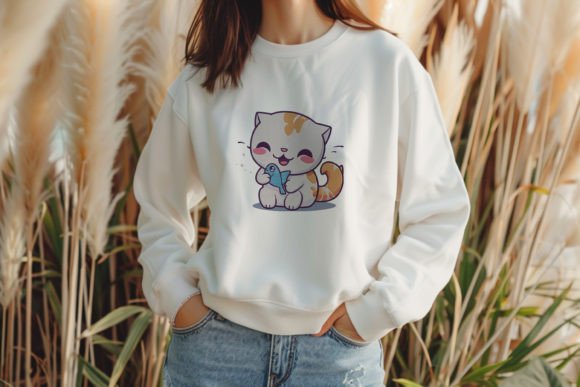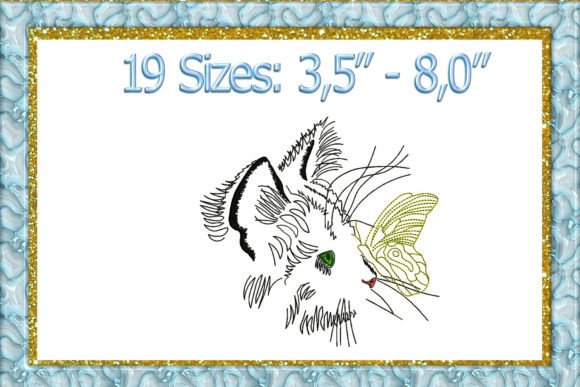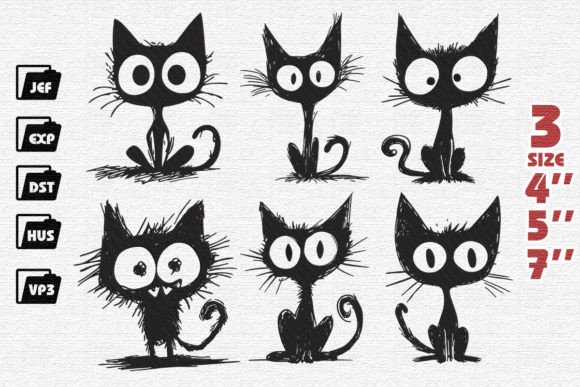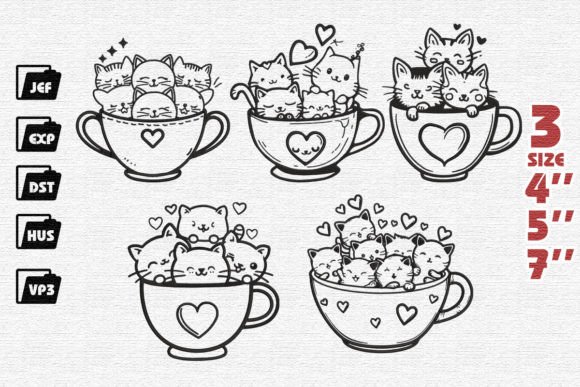
Cat Drinking Wine Embroidery Design Review
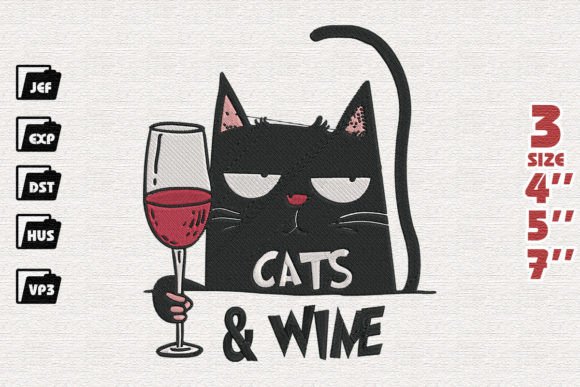
In the world of small business branding, visual identity is everything. As an experienced embroidery designer who has reviewed thousands of digital assets for boutiques, cafes, and handmade brands, I look beyond just aesthetics. I evaluate how a design translates from a screen to fabric, how it holds up under industrial or home machines, and whether it elevates a product’s perceived value. Today, I am reviewing the Cat Drinking Wine Embroidery design, a piece that taps into two massive cultural trends: pet love and relaxed lifestyle humor. This review focuses on its viability for small business merch, branded patches, and commercial apparel.
First Impressions: Personality Meets Professionalism
When you first download this embroidery file, the immediate takeaway is its playful yet sophisticated vibe. The concept of a cat enjoying wine is inherently charming, striking a balance between whimsical and chic. For a brand owner, this means the design can serve multiple purposes. It works equally well for a cozy independent bookstore, a boutique wine shop, a pet-centric lifestyle brand, or a humorous greeting card line.
The visual personality suggests a design that is neither too childish nor too stiff. It feels modern and approachable. When evaluating such a machine embroidery design, I always ask: does it look premium? In this case, yes. The imagery allows for high-quality thread work that can convey texture and depth, provided the stitch density is managed correctly. It avoids the cluttered look of overly detailed designs, which is crucial for maintaining a clean brand identity.
Real-World Business Applications
One of the strongest selling points of the Cat Drinking Wine Embroidery design is its versatility across various product categories. Here is how I see it performing in real-world commercial scenarios:
- Embroidered Patches: This design is ideal for creating iron-on or sew-on patches. Small businesses often use these as loyalty rewards, staff badges, or decorative elements on denim jackets. The compact nature of most cat illustrations fits perfectly within standard patch sizes (typically 2.5 to 4 inches).
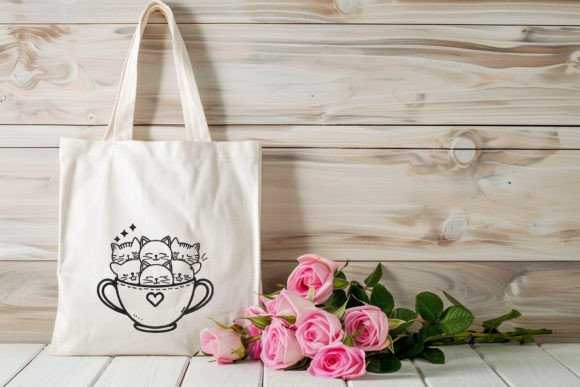
- Tote Bag Design: Canvas totes are a staple for craft fairs and retail shops. Placing this design on the front center or pocket area of a tote bag creates an instant conversation starter. It appeals to customers who appreciate humor in their everyday carry items.
- Apron Embroidery: For bakeries, florists, or café owners, custom aprons are essential. A subtle placement of this design on the chest or lower hem adds a touch of personality to custom apparel without being distracting. It humanizes the brand and makes staff feel more connected to the company culture.
- Cap Embroidery: Baseball caps or beanies featuring this motif are excellent for seasonal promotions or employee uniforms. The curved surface of a cap requires careful digitizing to ensure the wine glass or cat features do not distort. If the hoop size and stabilizer choice are correct, this design pops beautifully on headwear.
- Product Packaging Accents: Beyond clothing, consider embroidering this onto fabric tags attached to jewelry boxes, candle jars, or soap packaging. It adds a tactile, handmade product feel that plastic stickers cannot replicate.
Brand Identity and Customer Trust
Using a design like Cat Drinking Wine Embroidery affects customer perception significantly. It signals that your brand understands current internet culture and doesn’t take itself too seriously. However, there is a fine line between "fun" and "unprofessional." Because the subject matter is elegant (wine) combined with cute (cats), it leans towards the sophisticated side of casual. This helps build customer trust by showing attention to detail and aesthetic coherence. When buyers see high-quality embroidery rather than cheap prints, they perceive higher value in the finished product.
Technical Considerations for Production
As a designer, I must highlight several technical aspects to ensure this digital embroidery file succeeds in production. Not all designs are created equal, and poor execution can ruin even the best artwork.
Stitch Density and Detail
Inspect the stitch density closely. Cats have fur, and wine glasses have reflections. If the design relies on tiny, isolated stitches for whiskers or glass highlights, it may pucker or break during high-speed machine runs. Ensure the design uses sufficient satin stitches for outlines and fill stitches for larger areas. Avoid designs with excessive text unless the font is bold and simple. Tiny lettering often becomes illegible when embroidered, especially on textured fabrics.
Fabric Texture and Thread Colors
The success of this design depends heavily on your material choices. Test the design on the actual fabric you plan to use. On dark uniforms or heavy canvas, you will need a high-contrast thread colors palette—perhaps white or gold for the cat and deep red or purple for the wine. On light linens or cottons, softer pastel threads might work better. Always check if the design includes underlay stitches to prevent fabric distortion, especially on stretchy knits used for t-shirts.
Stabilizer Selection
Never underestimate the importance of the right stabilizer. For a design involving curves and potential weight (like a hanging wine glass shape), a cut-away stabilizer is often necessary for durability, particularly for items that will be washed frequently. Tear-away stabilizers may suffice for one-time event merchandise, but for long-term commercial embroidery, stability is key to preventing puckering around the hoop marks.
Where to Use Caution
While this design is versatile, there are specific applications where you should exercise caution:
- Small Patch Sizes: If reducing the design to fit a tiny logo space (under 2 inches), details may get lost. Simplify the design digitally if scaling down significantly.
- Curved Surfaces: When embroidering on the front of a cap, ensure the digitizer has accounted for the curve. Flat designs often look distorted on hats.
- High-Wash Items: For aprons or work shirts that undergo frequent laundering, verify that the thread type is colorfast and that the stitching is dense enough to withstand friction.
- Textured Fabrics: On bouclé or heavy tweed, fine details may disappear. Stick to bolder interpretations of the design for such materials.
Practical Designer Notes for Implementation
Before committing to a large production run, follow these steps to protect your investment:
- Test in Black and White: Convert the design to monochrome to check contrast and spacing. If it looks muddy in black and white, it will likely struggle in color.
- Check Hoop Size: Confirm the maximum hoop size required by the file. Some complex designs require large hoops, limiting where you can place them on garments.
- Create a Printable Mockup: Use a printable mockup to visualize the design on your actual products. This helps clients approve the placement before any needle pierces the fabric.
- Review Commercial Licensing: Most importantly, confirm the commercial licensing terms. Ensure you have the right to sell finished goods made with this embroidery file. Personal use licenses do not cover resale.
- Compare Against Other Assets: Place this design beside your other design assets to ensure visual consistency. Does the style match your existing logos and patterns?
Final Verdict
The Cat Drinking Wine Embroidery design is a strong candidate for small business owners looking to add character to their merchandise. Its blend of humor and elegance makes it suitable for a wide range of industries, from retail to hospitality. By paying close attention to technical details like stitch density, stabilizer choice, and fabric compatibility, you can transform this digital asset into a high-value physical product. Whether used as a chest logo accent, a decorative patch, or a standout feature on a tote bag, this design has the potential to enhance your brand identity and engage customers through shared appreciation for cats and good vibes. Just remember to test thoroughly and verify your commercial rights before production begins.