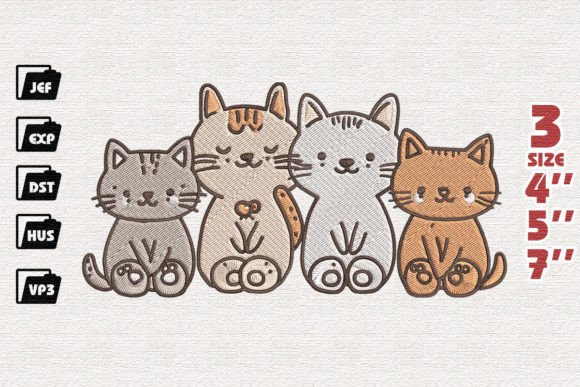
Cute Animals Family Embroidery Review
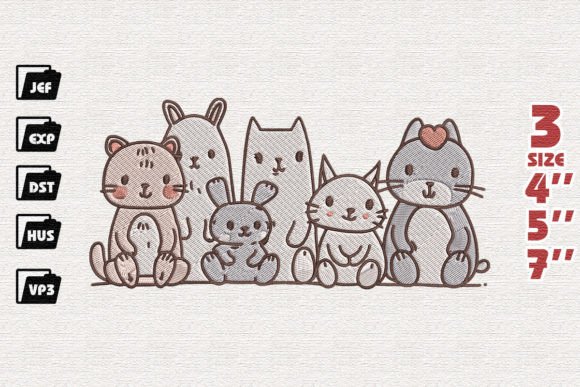
As an experienced embroidery designer, I spend most of my day evaluating digital files not just for their aesthetic appeal, but for their viability in a commercial setting. When a small business owner or Etsy seller approaches me with a design like Cute Animals Family Embroidery, they are looking for more than just a pretty picture; they need a reliable asset that translates beautifully from screen to fabric. This review breaks down how this specific design performs when applied to branded merchandise, focusing on the practical realities of production, brand identity, and customer perception.
First Impressions and Visual Personality
The title alone suggests warmth, inclusivity, and approachability. In the world of machine embroidery design, "cute" can sometimes be a double-edged sword—it risks appearing childish if not executed with professional precision. However, based on the description provided, this design aims to add a joyful and charming touch to any project. My initial assessment is that it leans heavily into a friendly, modern aesthetic rather than a rustic or overly traditional one.
For a boutique, bakery, or pet brand, this visual personality is gold. It signals that the brand is accessible and cares about creating emotional connections with its customers. The design feels playful yet structured enough to serve as a legitimate logo accent. It does not scream "decorative only"; instead, it has the structural integrity required for embroidered patches and uniform branding. The charm lies in its ability to soften a brand’s image without sacrificing professionalism.
Real-World Business Applications
Let’s move beyond the screen and look at where this embroidery file shines in actual production scenarios. Small businesses often struggle to find designs that work across multiple product lines. Cute Animals Family Embroidery offers remarkable versatility.
- Embroidered Patches: This is perhaps its strongest use case. The distinct outlines and balanced composition make it ideal for iron-on or sew-on patches. These can be sold as standalone products on Etsy or attached to denim jackets and tote bags as premium add-ons.
- Staff Uniforms and Aprons: For a café or florist, placing this design on the left chest of a work shirt or the pocket of an apron adds a personal touch. It humanizes the staff, making customers feel more welcomed. It works particularly well for bakeries or pet-friendly establishments where the vibe is casual and warm.
- Cap Embroidery: The compact nature of the design allows it to fit comfortably on the front panel of a baseball cap or the side of a bucket hat. As long as the stitch density is managed correctly, it will hold its shape even after frequent washing by staff.
- Tote Bag Design: Canvas totes are a staple for handmade brands. This design provides a focal point that doesn’t overwhelm the bag. It serves as a walking billboard for your brand, increasing visibility in public spaces.
- Product Packaging Accents: Don’t overlook the power of unboxing. A small embroidered label featuring this design on a gift box or hang tag elevates the perceived value of the item inside. It transforms a simple purchase into a thoughtful gift experience.
Brand Identity and Customer Trust
In the competitive landscape of small business merch, visual consistency is key. Using a cohesive design language helps build recognition. When customers see Cute Animals Family Embroidery on a tote, then a cap, then a mug, they begin to associate that specific charm with your brand. This repetition builds trust. It tells the buyer that you pay attention to detail and care about the quality of your presentation.
Furthermore, this design enhances the "handmade" appeal. Even if you are using industrial machines, the soft, familial theme resonates with consumers who value artisanal qualities. It bridges the gap between mass-produced efficiency and personalized craftsmanship, boosting buyer engagement and encouraging social media sharing.
Strategic Limitations and Care Areas
No design is perfect, and as a designer, I must advise caution in certain applications. While Cute Animals Family Embroidery is charming, it requires strategic placement to avoid production headaches.
- Small Patch Sizes: If you plan to scale this design down to less than 2 inches, you risk losing definition. Tiny details may merge together, resulting in a muddy appearance. Always test at the final intended size before committing to bulk production.
- Curved Surfaces: While caps are great, highly curved items like sleeves or rounded mugs can distort the design. Ensure your digitizing software accounts for the curvature, or limit this design to flat surfaces like aprons and flat-front hats.
- High Stitch Density: Check the stitch count. If the design is too dense, it may become stiff and uncomfortable to wear, especially on delicate fabrics. For custom apparel, comfort is paramount. If the density is high, consider using a lighter stabilizer or reducing the fill width slightly during editing.
- Dark Uniforms: On dark backgrounds, ensure there is sufficient contrast. If the design relies on subtle color variations, it may get lost. Stick to high-contrast thread colors, such as white or bright pastels against navy or black, to maintain clarity.
- Frequent Washing: For items that will be washed regularly, like aprons or staff shirts, ensure the backing is strong enough to prevent puckering. Poor stabilization leads to a cheap-looking finish, which damages brand reputation.
Practical Designer Notes for Production
Before you upload this digital embroidery file to your machine for a client order, follow these essential steps to ensure a flawless finished product.
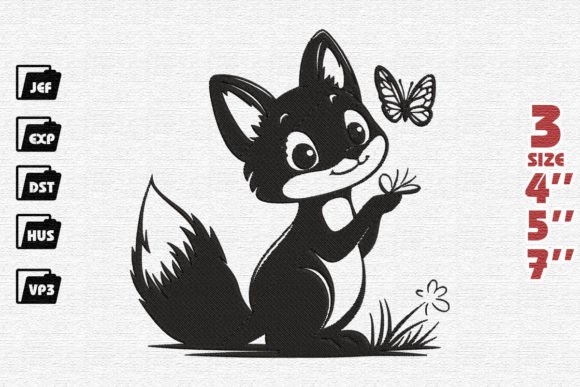
Test in Black and White: Convert the design to monochrome first. This helps you evaluate the balance of positive and negative space without being distracted by thread colors. If it looks good in black and white, it will look good in color.
Check Thread Color Contrast: Select threads that pop against your target fabric. Run a quick mockup to see how the colors interact. Avoid adjacent colors that are too similar, as this can cause blending issues during stitching.
Inspect Spacing and Hoop Size: Verify that the design fits within your standard hoop dimensions. If it is close to the edge, you may encounter tension issues. Adjust the placement to ensure optimal stability.
Use Proper Stabilizer: The choice of stabilizer is critical. For stretchy knits, use a cut-away stabilizer. For woven fabrics, a tear-away might suffice. Using the wrong stabilizer is the number one cause of distorted embroidery.
Create a Printable Mockup: Before producing physical samples, create a realistic mockup. Show the design on a tote bag, a cap, and an apron. This helps visualize the final outcome and allows for easier client approval. It also serves as excellent marketing material for your own shop.
Confirm Commercial Licensing: This is non-negotiable. Ensure you have the proper license to sell products made with this design. Check the terms of service for the design assets provider. Unauthorized commercial use can lead to serious legal issues.
Final Verdict
Cute Animals Family Embroidery is a versatile, charming, and commercially viable design. It strikes a perfect balance between playfulness and professionalism, making it an excellent choice for small businesses, Etsy sellers, and creative studios. Whether used for apron embroidery, tote bag design, or branded patches, it adds a layer of warmth that customers appreciate.
By following best practices in testing, stabilization, and licensing, you can leverage this design to enhance your brand identity and drive sales. It is more than just a decoration; it is a strategic tool for building a memorable, trustworthy, and engaging brand presence in the crowded marketplace of handmade and custom goods.