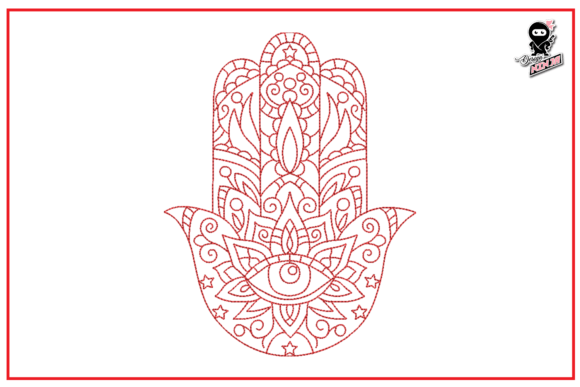
Hamsa Hand Redwork Embroidery Review
As an embroidery designer who spends countless hours testing stitches and planning seasonal collections, I am always looking for designs that balance spiritual symbolism with practical marketability. When reviewing Hamsa Hand Redwork Embroidery, my first thought was not just about the aesthetic, but about how this design will perform in a real-world retail environment during the busiest shopping seasons of the year. This is not merely a decorative element; it is a versatile asset for any creator building a brand around handmade gifts, home decor, or apparel.
The First Impression: Mood and Aesthetic
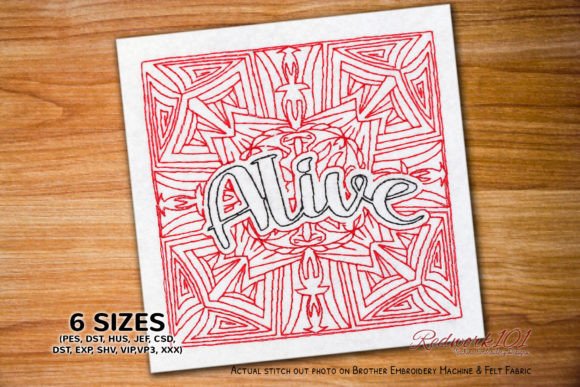
The moment you see Hamsa Hand Redwork Embroidery, the emotional tone is immediately recognizable. Redwork embroidery, characterized by its bold, single-color outlines (traditionally red), evokes a sense of nostalgia and rustic charm. It feels cozy, warm, and inviting—qualities that are essential for holiday marketing. Unlike complex multi-colored designs that can feel cluttered, the simplicity of redwork allows the intricate details of the Hamsa symbol to shine through without overwhelming the viewer.
This design strikes a perfect balance between modern minimalism and traditional craft. For the Etsy seller or small business owner, this versatility is key. The design feels elegant enough for high-end home decor yet playful and cute enough for baby items. It carries a spiritual weight without being overly religious, making it accessible to a broad audience seeking protection, good luck, or positive energy. The clean lines suggest a premium finish, which helps justify higher price points for finished products.
Seasonal Product Applications
When planning a seasonal collection, I look for designs that can be adapted across multiple product categories. Hamsa Hand Redwork Embroidery excels in this area. Here is how I envision this design performing on various items:
- Sweatshirt Embroidery: Placed over the heart or on the back yoke, the bold outline stands out against heather grey or cream fabrics. It creates a statement piece that appeals to those looking for meaningful, wearable art.
- Tote Bag Design: A classic combination. The durability of the embroidery holds up well on canvas tote bags, making it an ideal accessory for holiday markets or everyday use. It adds a touch of personality to a utilitarian item.
- Kitchen Towel Embroidery: In the kitchen, this design brings warmth. It pairs beautifully with farmhouse-style decor trends. The single-color scheme ensures it doesn’t clash with busy kitchen patterns or food photography used in social media previews.
- Pillow Cover: Whether for a throw pillow or a lumbar cushion, the design adds texture and visual interest. It serves as a focal point in living room decor, especially when paired with neutral textiles.
- Embroidered Patch: Converting this into a patch format opens up opportunities for jackets, denim vests, and beanies. Patches allow customers to personalize their gear, increasing engagement and perceived value.
- Baby Items: While often associated with adults, the Hamsa is also a popular motif for nursery decor and baby blankets. The soft, rounded lines of redwork are gentle and appropriate for infant products.
- Aprons and Table Linens: For the hostess gift market, this design works exceptionally well. It elevates simple aprons and tea towels, making them feel like thoughtful, curated presents.
Gift Bundles and Personalization
In the realm of personalized gift offerings, Hamsa Hand Redwork Embroidery provides a strong foundation for bundling. Imagine a "Protection & Peace" bundle containing a tote bag, a kitchen towel, and a matching ornament. The consistency of the design across different textures creates a cohesive brand identity. Customers trust brands that present a unified aesthetic, and this design’s adaptability supports that trust.
Furthermore, the simplicity of redwork makes it easier to add custom text or monograms without creating visual clutter. This enhances the handmade gift appeal, allowing buyers to select specific names or dates, which significantly boosts conversion rates during peak holiday periods.
Performance in Holiday Selling Situations
From a marketing perspective, this design is highly photogenic. On printable mockup graphics, the contrast of the thread against fabric textures translates well to digital screens. Social media algorithms favor content that is visually clear and emotionally resonant, both of which this design delivers.
For craft fair displays, having physical samples of this design allows customers to feel the quality of the stitch work. The tactile experience of touching a well-executed embroidery design builds confidence in the product’s durability. It signals that this is not a cheap print, but a lasting keepsake.
Practical Designer Notes and Technical Considerations
While the aesthetic potential is high, a professional review must address technical execution. Here are critical considerations before adding this to your production line:
- Stitch Density: Ensure the stitch density is appropriate for the fabric type. Too dense, and the fabric may pucker; too sparse, and the design may lack definition. Always test on the actual fabric you plan to sell.
- Hoop Size: Confirm the required hoop size. If the design is large, ensure your machines can accommodate it and that your customers have the capability to embroider larger areas if they are resellers.
- Thread Colors: While traditional redwork uses red, experimenting with other thread colors like navy, forest green, or mustard yellow can tap into different seasonal palettes. Test these on both light and dark fabrics to ensure visibility.
- Stabilizer Selection: Use the correct stabilizer for each project. Cut-away stabilizers are generally recommended for garments to prevent distortion after washing, while tear-away may suffice for stable home decor items like towels.
- Fabric Texture: Be mindful of fabric texture. Thick terry cloth on towels or stretchy jersey on sweatshirts requires adjustments in tension and technique. Poor tension can lead to thread breaks or skipped stitches.
- Small Details: Review small details after stitching. Some intricate parts of the Hamsa pattern may become lost if the resolution is too low or the fabric is too fuzzy. Zoom in on your test stitches to verify clarity.
Areas of Caution
There are certain applications where this design should be used carefully. Avoid placing it on extremely stretchy garments without proper stabilization, as the design may warp. Also, be cautious with metallic threads; while they add glamour, they can break more easily and may not suit the rustic redwork style. Additionally, ensure that any lettering included in the design is large enough to remain legible after washing.
Impact on Seasonal Appeal and Brand Value
Incorporating Hamsa Hand Redwork Embroidery into your seasonal lineup affects buyer emotion positively. It suggests mindfulness, care, and intentionality—values that resonate deeply with consumers during the holidays. By offering products that convey these feelings, you differentiate yourself from mass-produced competitors.
This design supports commercial embroidery goals by offering high perceived value. A simple redwork design can command a premium price because it looks sophisticated and timeless. It encourages repeat purchases as customers build a collection of coordinated items for their homes or wardrobes.
Final Verdict
Hamsa Hand Redwork Embroidery is a robust addition to any digital embroidery file library intended for seasonal sales. Its blend of spiritual significance, nostalgic aesthetic, and technical versatility makes it a smart choice for small shop product developers. However, success depends on proper execution. Check all technical specifications, including file format compatibility and commercial licensing terms, before finalizing your collection. Create realistic printable mockup assets to visualize the end result, and prioritize quality control in your production process.
By treating this design with the respect it deserves—testing thoroughly, styling appropriately, and marketing effectively—you can create a successful seasonal campaign that resonates with customers and drives sales. It is a design that does not just decorate; it connects.