Harper Name Embroidery Design Review
As an embroidery designer who spends countless hours testing stitches and planning collections, I approach every new machine embroidery design with a mix of creative excitement and practical skepticism. Today, I am reviewing the Harper Name Embroidery Design, a digital asset that promises to bring a stylish and elegant touch to personalized projects. My goal is to determine if this file is ready for real customer orders, particularly for those of you running Etsy shops, craft stalls, or small handmade businesses.
First Impressions: Mood and Charm
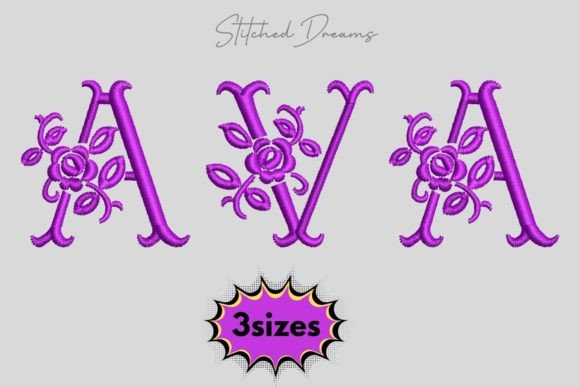
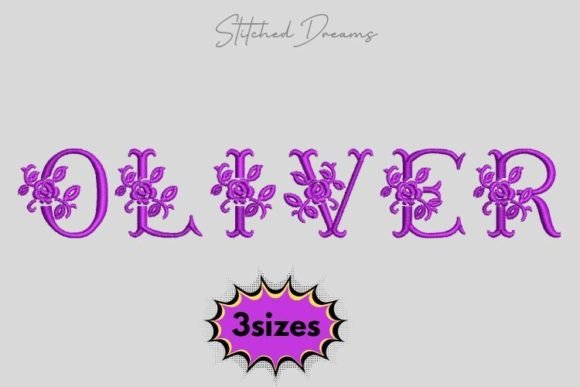
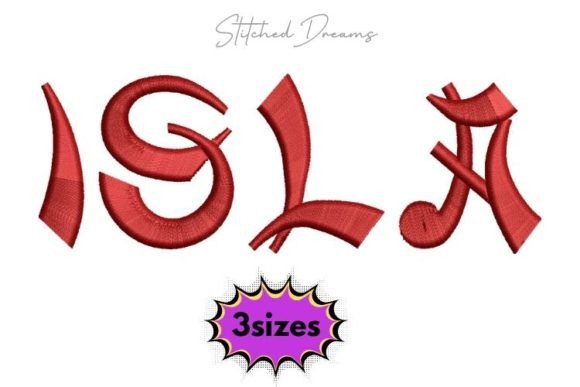
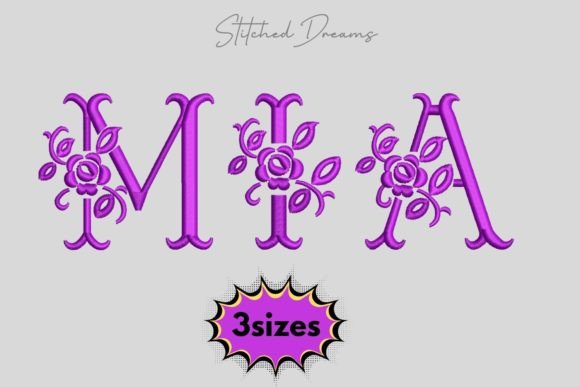
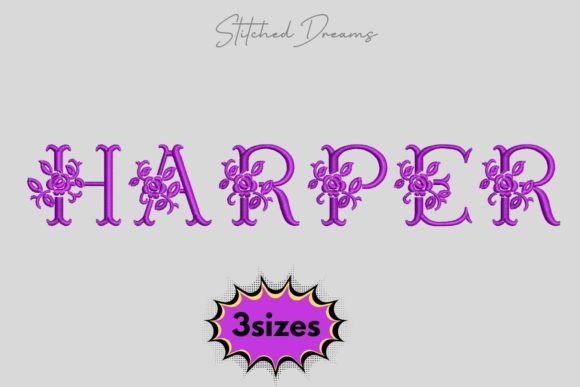
The moment I loaded the Harper Name Embroidery Design into my hoop, I was struck by its balanced aesthetic. The name “Harper” is rendered in a font that feels both modern and timeless. It isn’t overly ornate, which makes it versatile, but it has enough character to stand out on a finished product. The mood is warm, inviting, and slightly playful without being childish. This balance is crucial for a design intended for a broad audience.
For gift shop owners and Etsy sellers, this kind of neutral yet charming vibe is gold. It appeals to parents looking for nursery decor, couples seeking wedding gifts, and friends exchanging thoughtful presents. The design doesn’t scream for attention; instead, it whispers quality. When you see the final stitched result, it looks like a high-end boutique item rather than a quick craft project. This perceived value is essential for justifying premium pricing on your personalized gift listings.
Real-World Application: From File to Finished Product
I tested the embroidery file across several common product categories to see how it translates from screen to fabric. Here is how the Harper Name Embroidery Design performs in real-life scenarios:
- Baby Blankets and Nursery Items: This is perhaps the strongest use case. The soft elegance of the name fits perfectly on muslin, cotton flannel, or minky fabric. When placed on a baby blanket, the design adds a sentimental focal point that parents love. It works beautifully as a custom embroidery piece for a gender-neutral nursery theme.
- Kitchen Towels and Aprons: I tested the design on a heavy-duty cotton kitchen towel. The contrast between the thread and the fabric texture was pleasing. However, the placement matters here. Centered on the front panel, it serves as a lovely housewarming gift. On an apron, it adds a personal touch that makes the wearer feel special.
- Pillow Covers and Home Decor: On a linen or velvet pillow cover, the design elevates the item from basic home decor to a curated accent piece. The stitch density holds up well against textured fabrics, provided the correct stabilizer is used.
- Tote Bags and Accessories: For canvas tote bags, the design offers a clean, minimalist look. It is perfect for bridesmaids gifts or teacher appreciation presents. The simplicity allows the name to be the hero of the accessory.
Who Is This Design For?
The Harper Name Embroidery Design is not just for one niche; it bridges several markets. It is ideal for:
- New Parents: Who want a unique name for their child’s room or belongings.
- Wedding Planners and Brides: Looking for personalized favors or keepsakes for the bridal party.
- Friends Gifting: As indicated by its category, it works wonderfully for friend-centric gifts, such as matching towels for best friends or custom aprons for a girls' night.
- Small Business Owners: Who need reliable, high-quality files to scale their production of handmade products.
When you market these items, emphasize the emotional connection. A name embroidered on a blanket is not just fabric; it is a memory. This narrative increases buyer engagement and trust.
Critical Considerations: Where to Use With Caution
While the design is beautiful, no single file is perfect for every surface. As an experienced designer, I must highlight areas where you need to exercise caution when using the Harper Name Embroidery Design:
Fabric Texture and Thickness: Thick terry cloth towels can sometimes distort fine details. If you are embroidering on a plush bath towel, ensure your stabilizer is strong enough to prevent the fabric from shifting. Similarly, highly textured fabrics like chunky knits may hide the intricacy of the lettering. Always test on a scrap piece of the actual product fabric first.
Stretchy Materials: Baby clothes often involve stretchy knits. While the design itself is stable, stretching the fabric during hooping can cause puckering. Use a tear-away or cut-away stabilizer appropriate for knits to maintain the integrity of the stitches.
Dark Fabrics: If you plan to embroider on dark fabric, thread color choice is paramount. Light threads may require multiple passes, increasing stitch count and potential distortion. Conversely, dark threads on light fabric offer classic contrast. Always compare light and dark fabric mockups before committing to a production run.
Small Details: Check the smallest loops or serifs in the name “Harper.” On very small hoops or tiny items like handkerchiefs, delicate details can get lost. If the detail is too fine, consider scaling the design up slightly or simplifying the thread path if the software allows.
Practical Embroidery Notes for Success
To ensure your customers receive the highest quality finished product, follow these technical steps:
- Test on Scrap Fabric: Never skip this step. Test the design on the exact fabric you intend to sell. This helps you identify tension issues or stabilizer needs early.
- Check Thread Color Contrast: Ensure the thread stands out against the background. Poor contrast reduces the visual impact of the personalized gift.
- Confirm Hoop Size: Verify that the design dimensions fit comfortably within your standard hoop sizes (e.g., 4x4, 5x7, 6x10). This prevents awkward cropping during production.
- Review Stitch Density: High density can make fabric stiff, while low density might look sparse. Adjust settings if necessary to achieve a soft hand-feel, especially for baby items.
- Use Proper Stabilizer: Match the stabilizer to the fabric weight. Heavy fabrics need robust support; lightweight fabrics need minimal intervention to avoid bulk.
- Commercial Licensing: Before selling finished products, double-check the license terms included with the digital embroidery file. Some designs allow unlimited commercial use, while others may have restrictions on the number of units sold.
Impact on Giftability and Brand Trust
Using a professionally designed file like the Harper Name Embroidery Design directly impacts your brand’s reputation. Customers can often tell the difference between a generic, poorly executed stitch job and a crisp, well-placed design. When you deliver a product with clean edges and consistent tension, you build trust. This trust leads to repeat customers and positive reviews, which are vital for any Etsy seller or small shop product creator.
Furthermore, the aesthetic appeal of the design enhances your product photography. A beautifully embroidered name catches the eye in online listings and social media feeds. It signals care and attention to detail, qualities that buyers associate with premium handmade products.
Final Thoughts
The Harper Name Embroidery Design is a versatile, elegant addition to any designer’s library. Its charm lies in its simplicity and adaptability. Whether you are creating a wedding gift, a baby embroidery keepsake, or a custom tote bag, this file delivers a polished result. By following proper embroidery techniques and considering fabric constraints, you can turn this digital file into a treasured physical object that brings joy to recipients. For now, it is a strong candidate for your next collection of commercial embroidery goods.