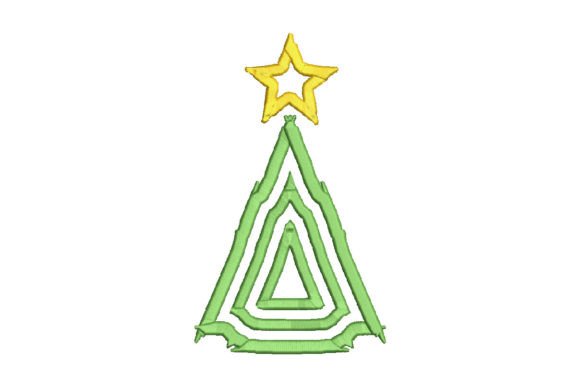
Minimalist Christmas Tree Embroidery
As a designer who spends half my life staring at stitch density charts and the other half worrying about whether a client’s logo will look muddy on a black hoodie, I have developed a certain skepticism toward holiday designs. The market is flooded with ornate, glitter-heavy, overly complex Christmas motifs that often fail to translate well into thread. Enter the Minimalist Christmas Tree Embroidery. At first glance, it seems almost too simple. But in my experience, simplicity is the hardest thing to execute well in embroidery. This design strips away the visual noise and leaves only what matters: shape, balance, and modern elegance.
I recently put this machine embroidery design through its paces to see how it would perform not just as a decorative element, but as a viable asset for a small business or a high-end personal gift. The goal was to determine if this embroidery file could stand up to real-world wear, washing, and aesthetic scrutiny. Here is my honest breakdown of how this design functions when you move beyond the hoop and into production.
The First Impression: Less Is More
When you load the digital embroidery file onto your screen, the immediate takeaway is clarity. There are no distracting borders, no cluttered snowflakes, and no chaotic background fills. It is a single, clean silhouette of a tree. For designers working on custom apparel or personalized gifts, this restraint is a huge advantage. It allows the garment or item itself to remain the hero, with the embroidery serving as a subtle, sophisticated accent rather than a loud statement.
The mood created by this design is calm and contemporary. It feels less like a traditional holiday decoration and more like a piece of modern art. This makes it incredibly versatile. It appeals to customers who love the warmth of the season but prefer a sleek, Scandinavian-inspired aesthetic over the rustic or kitschy styles often associated with holiday embroidery. If you are an Etsy seller looking to broaden your audience beyond traditionalists, this design opens a door to buyers who appreciate understated luxury.
Real-World Application: From Tote Bags to Nursery Decor
To truly test the potential of this embroidery project, I imagined applying it to several different product categories. The versatility here is striking. Let’s look at how it translates across various mediums.
- Tote Bag Design: A minimalist tree centered on a canvas tote is a classic combination. The clean lines of the tree contrast beautifully with the rougher texture of canvas. It looks professional, chic, and highly giftable. It works equally well on leather accents or heavy-duty cotton bags.
- Sweatshirt Embroidery: On a crewneck sweatshirt, particularly in neutral tones like oatmeal, grey, or navy, this design adds a touch of personality without overwhelming the fabric. The satin stitch edges (if present) or clean fill stitches create a sharp focal point on the chest or pocket area.
- Baby Embroidery: For onesies or nursery decor, the softness of the minimal shape is perfect. It avoids the "busy" look that can sometimes feel overwhelming in a baby’s room. It pairs beautifully with pastel threads or monochromatic white-on-white stitching for a gender-neutral option.
- Applique Design Potential: While primarily a stitched design, its simple outline makes it an excellent candidate for an applique design. Imagine a felt appliqué base with a simple running stitch outline. This adds dimension and texture, elevating the handmade product significantly.
In each scenario, the design maintains its integrity. It does not rely on intricate details to hold attention; instead, it relies on proportion and placement. This is crucial for commercial embroidery where consistency across multiple units is key.
Technical Considerations and Stitch Performance
No matter how beautiful a design looks on screen, its success depends on how it stitches out. With a minimalist approach, every stitch counts. There is nowhere to hide imperfections.
One of the first things I checked was the stitch density. Because the design is stripped down, dense areas can easily become stiff or bulky if not balanced correctly. You want the fill to lay flat, especially on softer fabrics like jersey knits or fleece. If the density is too high, the fabric may pucker, ruining the sleek look. Conversely, if it is too light, the design might look thin and cheap against a dark background.
Thread colors play a massive role here. On a dark fabric, a standard green tree might get lost. I recommend using metallic threads, gold, silver, or even a crisp white for a snowy effect. The contrast needs to be intentional. Always test your thread colors against your actual fabric before committing to a full run. A quick mockup can save hours of rework.
Another technical note involves the hoop size. Minimalist designs often work best in smaller hoops because they are meant to be delicate accents. However, if you are scaling this up for a large blanket or wall hanging, ensure your machine can handle the scale without distorting the proportions. The spacing between branches must remain consistent, regardless of size.
Where Caution Is Required
While this design is robust, it is not invincible. There are specific situations where you need to exercise care.
- Small Hoop Sizes: If you are embroidering on items like caps or small patches, ensure the design fits comfortably within the hoop without hitting the edges. Tiny details can become indistinguishable if the scale is too small.
- Textured Fabrics: Avoid placing this on heavily textured fabrics like bouclé or thick terry cloth unless you are using a substantial stabilizer. The needle penetration can be difficult, and the design may lose its definition.
- Stretchy Fabrics: When working with knits or stretchy materials, always use a cut-away stabilizer to prevent distortion during and after stitching. The clean lines of this design will highlight any stretching or warping immediately.
- Dense Stitch Areas: If the design includes solid fills, check for underlay stitches. Proper underlay is essential to keep the top stitches lying flat and preventing the fabric from showing through.
Impact on Brand and Customer Perception
For craft business owners and small shop products, the way you present your items matters as much as the item itself. A well-executed minimalist christmas tree embroidery signals professionalism. It suggests that you pay attention to detail and understand current design trends.
Customers are increasingly drawn to products that feel curated and thoughtful. This design helps elevate the perceived value of your finished product. It transforms a basic apron or tea towel into a boutique item. It also enhances giftability; people are more likely to give something that looks expensive and carefully made, even if the underlying cost of goods is low.
Furthermore, this design supports brand consistency. If you are building a brand around modern, clean aesthetics, this tree fits seamlessly into your visual identity. It works well in printable mockups and digital previews, allowing you to showcase the product effectively online before it is even made.
Final Designer Notes
Before you add this to your library or start producing, keep these practical tips in mind:
- Test on Scrap Fabric: Never assume a design will stitch perfectly on your final material. Always do a test run.
- Check Licensing: Confirm whether the embroidery file allows for commercial use if you plan to sell the finished items. This is critical for avoiding legal issues.
- Inspect Small Details: Zoom in on the digitizing. Are there loose threads? Are the corners sharp? A good design asset should be flawless at 100% zoom.
- Compare Backgrounds: Test the design on both light and dark fabrics to ensure it has enough presence in all contexts.
The Minimalist Christmas Tree Embroidery is a testament to the power of restraint. It proves that you do not need complexity to create impact. For designers, sellers, and makers looking to add a touch of modern elegance to their holiday offerings, this design is a smart, reliable, and stylish choice. It is simple, yes, but in the world of embroidery, simple done right is anything but easy.