Single Floral Pattern Embroidery Design Review
Setting up a booth for a weekend craft fair is equal parts excitement and anxiety. You want your table to pop, but you also need products that are quick to produce and easy to explain to passersby. As an experienced embroidery designer who has spent countless hours judging designs for their marketability, I look at every machine embroidery design with one question in mind: will this sell?
Today, I am reviewing the Single Floral Pattern Embroidery Design. This piece falls under the Single Flowers category and represents a staple in the world of handmade goods. It is versatile, timeless, and fits seamlessly into the current trends of boutique maker culture. Below is my honest breakdown of how this embroidery file performs on real-world products, what to watch out for during production, and why it deserves a spot in your digital library.
First Impressions and Visual Appeal
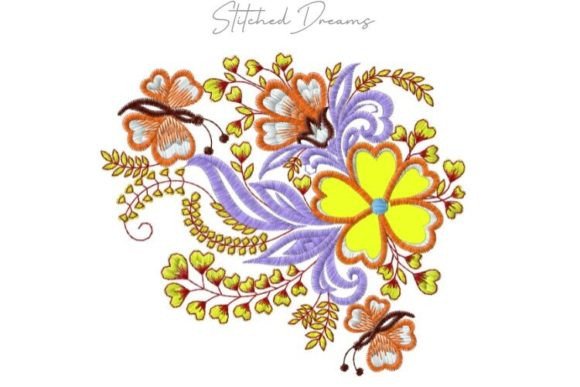
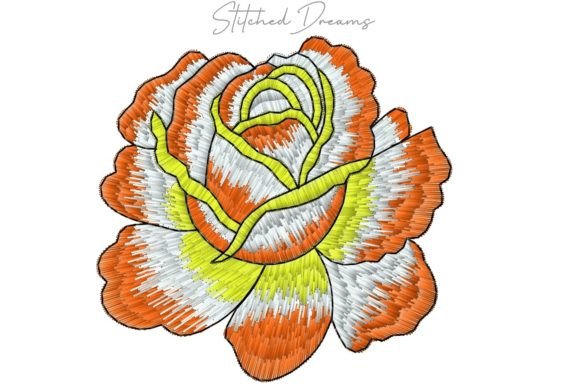
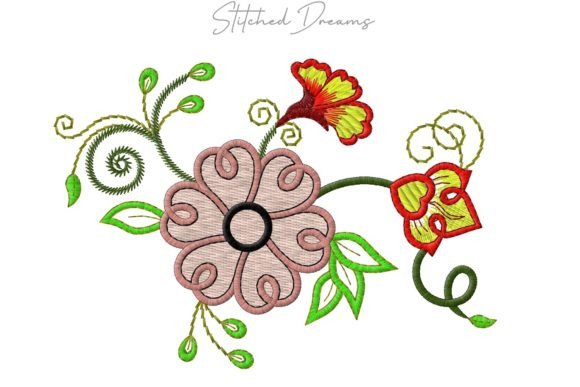
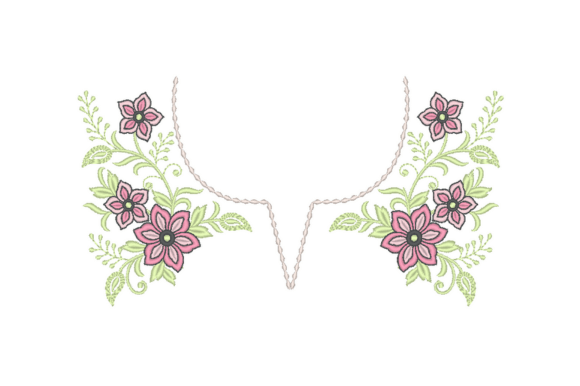
When you first load the Single Floral Pattern Embroidery Design, the immediate takeaway is its clean, focused aesthetic. Unlike busy, all-over prints, a single floral motif allows the eye to rest on one central element. This makes it incredibly effective for branding and product differentiation. Whether you are aiming for a farmhouse vibe, a modern minimalist look, or a soft romantic style, this design serves as a strong foundation.
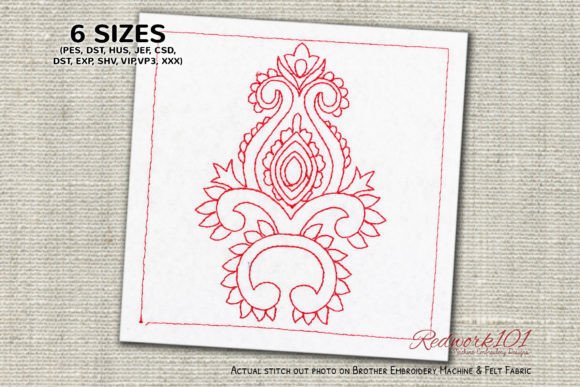
The description notes that the box stitch shown in pictures is optional and that outer box colors may vary. This is actually a significant advantage for sellers. It means you can customize the framing to match your specific thread palette or fabric choice without being locked into a rigid color scheme. If you are selling to customers who prefer bold contrasts, you can choose a dark background with bright threads. For those who like subtle elegance, a light linen with matching tonal threads works beautifully. This flexibility enhances the perceived value of your handmade product.
Product Applications That Sell
Not all embroidery designs work equally well on every item. Based on my experience, here is where the Single Floral Pattern Embroidery Design truly shines:
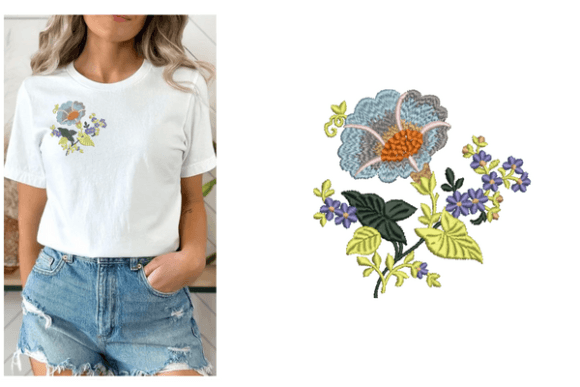
- Tote Bag Design: A single flower placed centrally on a canvas tote is a classic bestseller. It looks professional, doesn’t overwhelm the bag’s structure, and appeals to a wide demographic. It photographs exceptionally well for Etsy listings and social media marketing.
- Apron Embroidery: Placing this design on the bib of a kitchen apron adds a touch of personality to functional wear. It suggests that the wearer enjoys cooking or gardening, which resonates deeply with gift buyers.
- Tea Towel Embroidery: Linen and cotton tea towels are high-margin items. The clean lines of a single floral pattern ensure that the design remains legible even when the towel is folded or hung. It elevates a basic kitchen essential into a decorative piece.
- Embroidered Patch: Because the design is contained, it translates perfectly into iron-on or sew-on patches. These are popular among teenagers and adults alike for personalizing denim jackets, backpacks, and caps.
- Fabric Pouches and Small Goods: For smaller items like makeup bags or pencil cases, a single focal point prevents clutter. It gives the impression of a premium, curated accessory rather than a mass-produced item.
Production Practicality and Batch Efficiency
For any small shop product creator, time is money. One of the strongest arguments for using the Single Floral Pattern Embroidery Design is its efficiency. Because it is a singular motif rather than a complex multi-element scene, it generally requires less hooping time and fewer thread changes compared to larger compositions. This makes it ideal for batch production—stitching out ten identical designs for a Saturday market run.
Furthermore, the design is highly repeatable. You can create a cohesive collection by simply changing the fabric color or the thread shades. Imagine a series of pillow covers where each features the same Single Floral Pattern Embroidery Design but in different seasonal palettes (pastels for spring, warm tones for autumn). This consistency strengthens your brand identity and encourages customers to buy multiple items.
Critical Production Notes and Careful Use
While this design is promising, no embroidery project is without its challenges. Here are some technical considerations to ensure your finished product looks professional:
- Stitch Density and Clarity: Always inspect the stitch density of the file. If the petals or leaves are too thin, they may not cover the fabric adequately, leading to a sparse look. Conversely, if the center is too dense, it might pucker lightweight fabrics. Test on scrap material first.
- Fabric Texture Compatibility: The texture of your base material matters greatly. On smooth cotton or linen, the design will appear crisp. However, on heavily textured fabrics like heavy canvas or boucle wool, fine details may get lost. In such cases, consider enlarging the design slightly to maintain clarity.
- Thread Contrast: Ensure there is sufficient contrast between your thread colors and the fabric. Low-contrast combinations (e.g., white thread on cream fabric) can look elegant but may be difficult for customers to see clearly in person or in online photos. For maximum visual impact, choose threads that stand out against your chosen fabric.
- Hoop Size Constraints: Verify the recommended hoop size for this digital embroidery file. If the design is large, it may require a 5x7 or 6x10 hoop, which limits the types of small accessories you can embroider without repositioning the fabric. Smaller hoops allow for more versatility in placement.
- Stabilizer Selection: Using the right stabilizer is non-negotiable. For woven fabrics like cotton, cut-away stabilizer provides lasting support. For knits, tear-away may suffice, but test thoroughly to prevent shifting. Poor stabilization leads to misalignment, which ruins the clean aesthetic of a single floral motif.
Photography and Market Presentation
In the digital age, your product photo is often the first interaction a customer has with your item. The Single Floral Pattern Embroidery Design is photogenic because it offers a clear focal point. When creating a printable mockup or shooting real samples, use natural lighting to highlight the texture of the stitches. Avoid flash photography, which can wash out thread colors.
Show the product in context. An apron embroidered with this design looks inviting when displayed near fresh flowers or kitchen ingredients. A tote bag looks stylish when held by a model in a casual outfit. These lifestyle shots help buyers visualize the item in their own lives, increasing engagement and conversion rates.
Final Verdict for Craft Fair Sellers
The Single Floral Pattern Embroidery Design is a reliable, high-value asset for any commercial embroidery business. It balances simplicity with sophistication, making it accessible to a broad audience. Its adaptability across various product categories—from tote bag design applications to delicate tea towel embroidery—ensures that you can keep your inventory fresh without constantly hunting for new designs.
By paying attention to fabric choices, thread contrast, and proper stabilization, you can transform this simple floral motif into a standout craft fair product. It embodies the quality and care that customers expect from handmade gifts and boutique makers. If you are looking to streamline your production while maintaining a premium feel, this design is a smart addition to your portfolio.
Remember to always confirm commercial licensing terms before selling finished goods. With the right preparation, the Single Floral Pattern Embroidery Design can become a consistent revenue driver for your Etsy seller shop or physical booth. Happy stitching!