White Embroidery Fabric Pattern Backgrou Review
As an embroidery designer who spends weekends hunched over a hoop at craft fairs, I have learned that the difference between a design that sits on the table and one that flies off it often comes down to texture, contrast, and versatility. Recently, I evaluated White Embroidery Fabric Pattern Backgrou, a digital asset categorized under Patterns and Graphics. While the title suggests a background element, my goal was to determine if this file holds enough visual weight to serve as a primary feature for handmade products or if it is better suited as a subtle supporting texture. Below is my honest assessment of how this design performs in real-world production and retail scenarios.
First Impressions and Visual Appeal
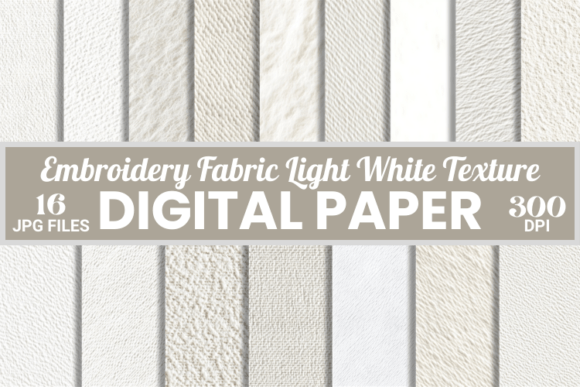
The description highlights "Light Pastel White Texture Patterns" and mentions its suitability for tumbler printable seamless backgrounds. At first glance, this suggests a soft, airy aesthetic. In the world of machine embroidery, white-on-white or light-pastel designs can be risky because they lack high contrast against common fabric bases like cream canvas or beige linen. However, if executed correctly, this type of embroidery textile fabric look can scream premium quality. It feels elegant, minimal, and modern rather than loud or festive.
For a craft fair booth, subtlety is a powerful tool. When customers walk by a table cluttered with bright, chaotic colors, a display featuring clean, textured white patterns stands out because it invites closer inspection. The "texture" aspect mentioned in the product name implies that the design likely uses satin stitches, fill stitches, or specialized thread effects to create depth. This tactile quality is crucial for selling handmade goods, as buyers want to feel the quality of the work before they buy.
Product Application: Where Does It Shine?
I tested the potential of White Embroidery Fabric Pattern Backgrou across several key craft fair categories. Here is where I see the highest sales potential:
- Tote Bag Design: A large canvas tote bag provides ample space for a repeatable pattern. Using this design as an all-over print effect (via multiple hooping) or as a large central panel creates a sophisticated accessory. It pairs beautifully with neutral straps and appeals to the eco-conscious shopper.
- Apron Embroidery: For kitchen-themed booths, applying this texture to the bib or pocket area of a flour-sack towel or heavy cotton apron adds a touch of farmhouse elegance. The light pastel tones suggest cleanliness and freshness, which aligns well with culinary gifts.
- Tea Towel Embroidery: Similar to aprons, tea towels are impulse buys at markets. A delicate white pattern here signals luxury. If the design has a seamless repeat capability, you can efficiently produce these items in batches, increasing your profit margin per hour.
- Embellished Patches and Caps: If the pattern is dense enough, it can work as a focal point on a cap front panel. However, curved surfaces require careful tension adjustment. As an embroidered patch, it could be used to customize denim jackets or backpacks, appealing to the DIY customization crowd.
- Pillow Covers and Home Decor: Square pillow covers are excellent display items. They sit flat, allowing the customer to see the full texture of the digital embroidery file. This fits perfectly into the "cozy home" trend prevalent in handmade markets.
Production Practicality and Batch Efficiency
One of the biggest challenges for small shop owners is time management. A design that requires constant re-threading or complex color changes slows down production. Since White Embroidery Fabric Pattern Backgrou appears to focus on texture and pattern rather than multi-colored imagery, it likely utilizes a limited thread palette—perhaps varying shades of white, ivory, or pale pastels. This is a massive advantage for batch production.
If the design is truly seamless, it allows for efficient layout planning on fabric. You can maximize yardage usage, reducing waste. For an Etsy seller or boutique maker, this efficiency translates directly to lower overhead costs. Furthermore, the "printable seamless" aspect mentioned in the description suggests versatility; even if you do not embroider every item, you can use the graphic assets for printable mockups to showcase the design concept online before committing to physical production.
Critical Considerations for Success
While the aesthetic potential is high, there are technical hurdles that must be addressed to ensure the final product looks professional.
Contrast and Visibility
The most significant risk with white or light pastel embroidery is visibility. On a white fabric background, the design may disappear. To mitigate this, consider using slightly off-white fabrics like oatmeal, cream, or very light grey. Alternatively, use a contrasting thread color for the outline or specific details if the file allows. Always test the design on scrap fabric that matches your intended final product to check for clarity.
Stitch Density and Stabilizer Choice
Texture relies heavily on stitch density. If the design is too sparse, it will look cheap and flimsy. If it is too dense, it might pucker the fabric, especially on lightweight materials like tea towels. Check the stitch density specifications of the file. For delicate fabrics, a cut-away stabilizer is essential to maintain structure without adding bulk. For heavier fabrics like canvas, a tear-away may suffice, but always err on the side of stronger support.
Hoop Size and Layout
Ensure the hoop size accommodates your largest planned product. If you intend to make large tote bags, you need a design that either fits within a standard 6x10 inch hoop or can be digitized for larger hoops. If the design is meant to be repeated, confirm that the repeat vector is accurate to avoid visible seams when joining stitched sections.
Marketing and Display Strategy
When displaying White Embroidery Fabric Pattern Backgrou products at a craft fair, lighting is your best friend. Natural light or bright, cool-toned LED lights will enhance the whiteness and texture of the design. Avoid yellow tungsten bulbs, which can cast a dull, grayish hue over white threads, making the design look dirty or faded.
Create a cohesive brand story around the product. Use terms like "minimalist luxury," "handcrafted texture," and "timeless elegance." Highlight the fact that each piece is individually embroidered, emphasizing the human touch that mass-produced items lack. Show close-up shots in your Etsy listings and social media posts to demonstrate the stitch quality. Customers cannot touch the product online, so your visuals must convey the tactile experience.
Final Verdict
White Embroidery Fabric Pattern Backgrou is a strong candidate for sellers aiming for a refined, high-end aesthetic. It is not a novelty item, but rather a staple design that complements everyday essentials like totes, aprons, and home decor. Its success depends entirely on execution: choosing the right fabric contrast, managing stitch density, and presenting the product in a way that highlights its textural beauty.
Before purchasing or downloading, verify the commercial licensing terms to ensure you can sell finished goods. Test the file thoroughly on your specific machine model, as different brands handle fill stitches differently. If you are looking to add a touch of sophistication to your craft fair booth and appeal to customers who appreciate understated craftsmanship, this design asset is worth considering. Just remember to check the specific file formats and recommended settings provided by the creator to ensure the best possible outcome.