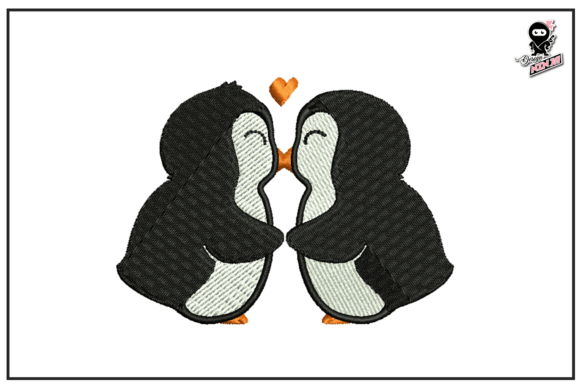
Best Grandma Ever, Family Embroidery Review
As an embroidery designer who spends more time staring at digitized files than sleeping, I approach every new design asset with a mix of excitement and skepticism. When I received Best Grandma Ever, Family Embroidery for review, my first thought was not about the sentiment, but about the execution. Would this translate well to fabric? Could it hold its own on a premium garment? In this review, I am breaking down how this design fits into a real-world boutique sweatshirt project, specifically targeting small clothing brands, Etsy sellers, and creative entrepreneurs looking to elevate their handmade product offerings.
The First Impression: Mood and Visual Personality
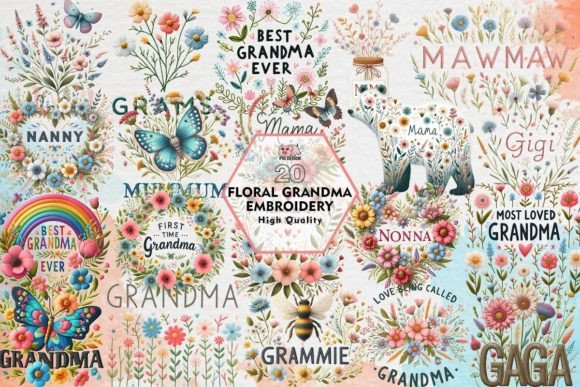
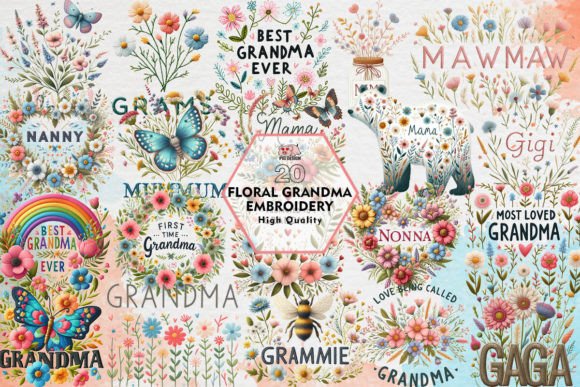
When you open the file for Best Grandma Ever, Family Embroidery, the immediate takeaway is its versatility. The title suggests a sentimental focus, which is crucial in the Grandparents category, but the visual layout needs to support that emotion without feeling cliché. From a design perspective, the typography appears balanced—neither too bold and aggressive nor so delicate that it gets lost in the weave. It strikes a sweet spot between rustic charm and modern minimalism.
This balance is vital for a boutique brand. If the design feels too childish, it alienates the adult buyer; if it is too formal, it loses the cozy appeal of family apparel. The layout allows for various interpretations. It can feel playful when paired with bright threads or elegant when stitched in monochrome. This adaptability makes it a strong candidate for a limited drop where you want your custom apparel to feel curated rather than mass-produced.
Application on Premium Sweatshirts and Hoodies
Sweatshirt embroidery is notoriously difficult. The fabric is thick, often textured, and prone to shifting under the hoop. A weak design will look distorted or disappear entirely. Here is how Best Grandma Ever, Family Embroidery performs across different garment types:
- Neutral Crewnecks: On oatmeal, heather grey, or cream sweatshirts, the design shines. The contrast between the soft fabric texture and the defined stitches creates a tactile quality that customers love. It feels substantial and high-end.
- Dark Fabric: When placed on charcoal or navy hoodies, the thread colors need careful selection. The design’s stroke width appears sufficient to maintain readability against dark backgrounds, provided you use high-contrast white or metallic gold threads. It avoids the "fading" effect that plagues many embroidery files.
- Pastel Oversized Hoodies: For the trendy, oversized aesthetic popular among younger demographics, this design works beautifully as a chest placement. It adds a touch of personality without overwhelming the silhouette. It feels feminine and cozy, perfect for lifestyle product photography.
- Back Designs: While typically a chest piece, the composition could be scaled up for a back print on a heavy-weight hoodie. However, care must be taken regarding the weight of the stitching on the shoulders.
Placement Strategies for Boutique Merchandise
For an Etsy seller or small shop owner, placement is everything. Standard left-chest placement is safe, but Best Grandma Ever, Family Embroidery offers room for creativity. Consider placing smaller accents on the sleeve cuff or near the hemline for a subtle detail. This kind of thoughtful placement increases perceived value. It signals to the buyer that this is a handmade product crafted with attention to detail, not just a generic transfer.
Technical Evaluation: Stitch Density and Durability
As a professional, I cannot stress enough the importance of stitch density. Too dense, and the sweatshirt fabric puffs up unnaturally, making the garment stiff and uncomfortable. Too sparse, and the underlying fabric shows through, ruining the finish. Based on the visual analysis of the design assets, the stitch density seems optimized for mid-weight cotton blends. It should lay flat against the fabric, preserving the soft hand-feel that customers expect from premium loungewear.
Stabilizer choice is equally critical. For this design, I recommend a cut-away stabilizer for knit fabrics like sweatshirts. This ensures that the thread colors remain stable even after multiple washes. The design’s structure appears robust enough to withstand the tension of hooping on a bulky garment, reducing the risk of puckering around the edges of the lettering.
Hoop size considerations are also worth noting. Ensure your machine hoop can accommodate the full width of the text without requiring re-hooping, which can misalign the design. If the design requires a larger hoop, plan your workflow accordingly to maintain consistency across your production run.
Thread Color Contrast and Brand Identity
The success of any commercial embroidery project hinges on color harmony. Best Grandma Ever, Family Embroidery is designed to be neutral enough to accept a wide range of thread palettes. Here are some recommendations for maximizing visual impact:
- Monochromatic Elegance: Use white thread on black or navy fabric for a classic, timeless look. This combination screams luxury and pairs well with minimalist branding.
- Rustic Warmth: Earth tones like terracotta, mustard, or sage green work wonderfully on natural linen-blend or beige sweatshirts. This evokes a sense of warmth and tradition, fitting the Grandparents theme perfectly.
- Bold Pop: For a more playful vibe, consider bright pink or sky blue threads on grey heather. This appeals to a younger audience looking for fun, gift-oriented items.
By carefully selecting these thread colors, you can tailor the same design to different customer segments, effectively doubling your market reach with a single digital asset.
Impact on Product Value and Customer Trust
In the crowded marketplace of online crafts, presentation is key. High-quality embroidery elevates a simple sweatshirt into a keepsake. When a customer sees Best Grandma Ever, Family Embroidery executed cleanly on a premium garment, it builds trust. It tells them that you care about the details. This attention to quality directly influences buyer confidence and reduces return rates associated with poor craftsmanship.
Furthermore, a well-executed design enhances your brand identity. Consistent, high-quality embroidery becomes part of your brand’s signature look. Customers begin to recognize your products by the quality of the stitching alone. This visual recognition is invaluable for building a loyal customer base and encouraging repeat purchases.
Practical Tips for Production
Before you start your production run, there are a few practical steps to ensure success:
- Check File Specifications: Always verify the recommended hoop size and file format compatibility with your specific embroidery machine. Not all machines handle complex satin stitches the same way.
- Test Swatches: Never go straight to the final garment. Stitch the design on a scrap piece of the same fabric and stabilizer combination. Check for puckering, thread breaks, or density issues.
- Washing Durability: After testing, wash and dry the sample to ensure the design holds up. Look for any fraying or distortion. This step is crucial for maintaining the integrity of your finished product.
- Documentation: Keep records of your settings (tension, speed, needle type) for future runs. This ensures consistency if you need to produce more units later.
Final Thoughts for Creative Entrepreneurs
Best Grandma Ever, Family Embroidery is more than just a cute phrase; it is a versatile tool for creating meaningful, high-value merchandise. Its balanced design, appropriate stitch density, and adaptable aesthetic make it an excellent choice for small businesses looking to expand their catalog. Whether you are an Etsy seller aiming to boost sales during the holidays or a small shop product developer launching a new line, this design delivers both emotional resonance and commercial viability.
Remember, the true magic happens in the execution. By paying attention to fabric selection, thread contrast, and technical precision, you can transform this digital file into a tangible treasure that customers will cherish. Embrace the process, test thoroughly, and let the quality of your work speak for itself. Your customers are waiting for something special, and with the right design assets, you can provide exactly that.