Monkey with Banana, Animal Embroidery Design Review
As an embroidery designer who has spent years translating digital concepts into tangible thread work for small businesses and boutique brands, I look at every embroidery file with a critical eye. It is not enough for a design to simply stitch out; it must hold up under the scrutiny of a paying customer, survive the wash cycle, and reinforce the brand identity without looking like a cheap novelty item. Today, I am reviewing the Monkey with Banana, Animal Embroidery design from the Wild Animals category. This piece promises to "embellish fabrics" with a "touch of charm," but does it deliver the professional polish required for commercial merchandise? Let us dive into how this design performs in real-world business applications.
First Impressions: Playful Charm Meets Professional Potential
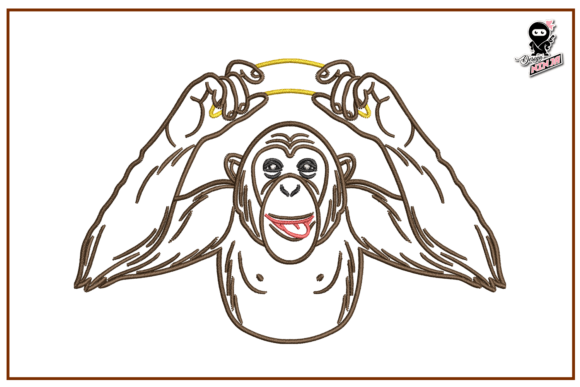
When you first load a machine embroidery design into your software, the initial visual impact dictates its viability. The Monkey with Banana motif strikes a balance between whimsical and clean. For a small business owner—whether running a café, a handmade shop, or a creative studio—this design offers immediate approachability. It feels friendly and bold, avoiding the overly intricate details that can get lost in production.
The "cool" factor mentioned in the product description suggests a modern aesthetic rather than a rustic or vintage one. This makes it versatile for contemporary branding. However, as a designer, my first concern is always clarity. Does the silhouette read instantly? In this case, yes. The combination of a primate and a fruit is universally recognized, making it an excellent choice for small business merch where instant recognition is key. It avoids being too decorative or cluttered, which is a common pitfall in animal-themed designs. This simplicity is what allows it to transition seamlessly from a home decor accent to a serious branded asset.
Real-World Business Applications
The true test of any digital embroidery file is its adaptability across various product lines. Here is how the Monkey with Banana design performs when applied to specific commercial items:
- Embroidered Patches: One of the most lucrative avenues for small brands is creating custom patches. This design translates exceptionally well to iron-on or sew-on patches. Its distinct outline and solid shapes allow for clean edge finishing, whether you are using a merrowed edge or a laser-cut finish. These patches can serve as unique brand identifiers on denim jackets, beanies, or backpacks.
- Apron Embroidery: For bakeries, florists, or craft studios, branded aprons are essential. Placing the monkey design on the chest pocket or lower hem adds a touch of personality to staff uniforms without compromising professionalism. The design’s charm aligns perfectly with the artisanal vibe of handmade products.
- Cap Embroidery: Caps remain a staple in promotional goods. The compact nature of this design means it likely fits well within standard cap hoop sizes. When stitched on the front panel of a baseball cap, it creates a memorable logo mark that customers will want to wear. It works particularly well for youth-oriented brands or playful lifestyle companies.
- Tote Bag Design: Eco-friendly tote bags are a favorite among Etsy sellers and market vendors. Stitching this design onto canvas totes adds value and durability compared to printed graphics. The texture of the thread against the fabric enhances the handmade product feel, justifying a higher price point for the end consumer.
- Custom Apparel and Work Shirts: Beyond aprons and caps, this design can be used on polo shirts or sweatshirts. It serves as a subtle yet distinctive brand mark, suitable for employee uniforms in casual retail environments or creative agencies.
Strategic Brand Identity and Customer Trust
Choosing the right design assets directly impacts brand identity. A well-executed embroidery project signals attention to detail and quality. When a customer sees the Monkey with Banana design stitched cleanly on a product, it subconsciously communicates that the business cares about craftsmanship. This builds customer trust and recognition.
In a crowded marketplace, visual consistency is vital. If your brand uses playful, animal-themed imagery, ensuring that the embroidery style matches your other marketing materials (like logos and packaging) creates a cohesive experience. This design contributes to a fun, engaging brand voice, which can significantly boost buyer engagement on social media platforms where users love sharing aesthetically pleasing, cute products.
Furthermore, using high-quality embroidery elevates the perceived value of your finished product. Customers are often willing to pay more for items that feature durable, textured embellishments rather than flat prints. This design helps position your brand as premium yet accessible.
Where to Exercise Caution: Limitations and Risks
Even the best embroidery files have limitations. As a designer, I advise caution in the following scenarios:
- Small Patch Sizes: If you plan to scale this design down to less than two inches, inspect the fine details. Tiny outlines or thin lines may merge together during stitching, resulting in a muddy appearance. Always check if the design remains legible at your intended size.
- Curved Surfaces: While caps are generally manageable, highly curved surfaces like rounded hats or uneven fabric folds can distort the image. Test the digitizing on the actual curve before mass production.
- High Stitch Density: Designs with dense fills can become stiff and bulky. If this design uses heavy satin stitches or dense fills, it may not lie flat on lightweight fabrics. Consider the stitch density relative to your fabric weight.
- Dark Uniforms and Fabric Texture: Contrast is king in embroidery. Ensure your thread colors provide sufficient contrast against dark backgrounds. Additionally, highly textured fabrics like bouclé or thick fleece can obscure the details of the design, so test on your specific material.
- Frequent Washing: For items that require frequent laundering, such as staff aprons, ensure the design is anchored properly. Loose threads or poor backing can lead to premature wear.
Practical Designer Notes for Production
To ensure success with the Monkey with Banana, Animal Embroidery design, follow these practical steps before committing to large-scale production:
- Test in Black and White: Convert the design to monochrome to check the balance of negative space and fill. This helps identify potential clustering issues.
- Check Hoop Size: Confirm the maximum hoop size required by the file to ensure it fits your machine’s capabilities.
- Review Thread Color Contrast: Select thread colors that pop against your target fabric. Use a printable mockup to visualize the final look.
- Inspect Spacing: Look closely at the spacing between elements. Are there gaps that might cause puckering? Is the spacing even?
- Stabilizer Selection: Choose the appropriate stabilizer for your fabric type. Cut-away stabilizers are generally recommended for stretchy or durable garments to prevent distortion over time.
- Create a Mockup: Before sending clients their orders, create a physical sample. This allows you to assess the tactile quality and visual impact firsthand.
- Compare Design Assets: Place this design beside your other brand graphics to ensure stylistic harmony.
- Confirm Commercial Licensing: Most importantly, verify that you have the correct license to use this commercial embroidery design for resale. Never assume rights; always check the terms provided by the creator.
In conclusion, the Monkey with Banana, Animal Embroidery design is a strong contender for small business owners seeking to add character to their merchandise. With careful execution and attention to technical details, it can serve as a charming, professional, and profitable addition to your product line. Just remember to test thoroughly and respect the technical constraints of the medium.